Terraria: The Ultimate 2D Sandbox Adventure
Terraria, developed by Re-Logic, stands as one of the most expansive 2D sandbox adventure games ever created. Since its initial release in 2011, it has captivated over 44 million players worldwide with its unique blend of exploration, crafting, building, and combat. This comprehensive guide covers everything from beginner basics to expert strategies for mastering Terraria's vast world.
Quick Facts
Genre: Action-adventure, Sandbox, RPG
Platforms: PC, PlayStation, Xbox, Nintendo Switch, Mobile, macOS, Linux
Release Date: May 16, 2011 (initial release)
Developer: Re-Logic
Latest Version: 1.4.5 (as of January 2026)
Game Modes: Single-player, Multiplayer (up to 8 players)
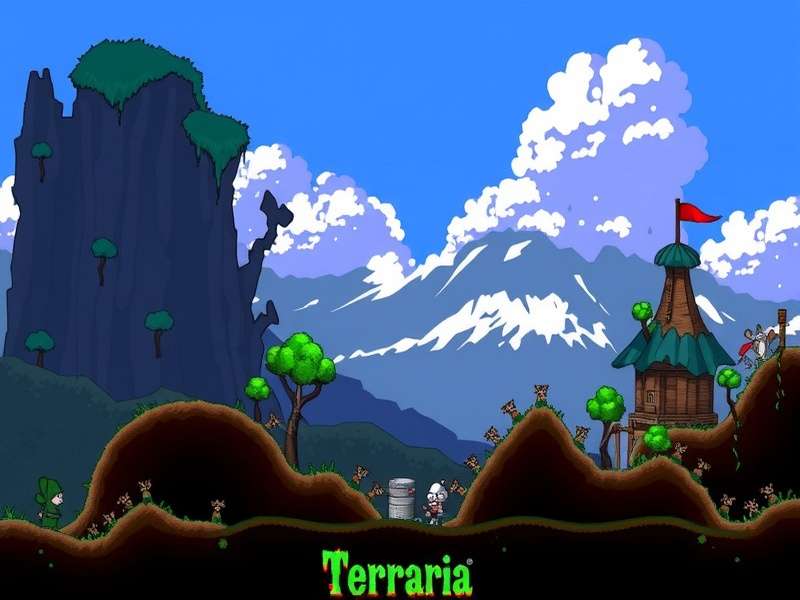
Terraria's signature blend of exploration, building, and combat in a procedurally generated world
Gameplay Mechanics & Core Features
Terraria's gameplay revolves around four core pillars: exploration, combat, crafting, and building. Each world is procedurally generated, ensuring a unique experience with every new game.
Character Progression System
Terraria features a classless system where players can specialize in one of four main combat styles: Melee, Ranged, Magic, or Summoner. Each class has unique armor sets, accessories, and weapons that become available as you progress through the game's difficulty tiers: Pre-Hardmode, Hardmode, and Post-Moon Lord.
Crafting & Building
The crafting system includes over 5000 items that can be created using various workstations. From simple wooden swords to complex mechanical devices, the possibilities are nearly endless. Building mechanics allow for complete creative freedom - construct simple shelters, elaborate castles, or complex functional structures like arenas and farms.
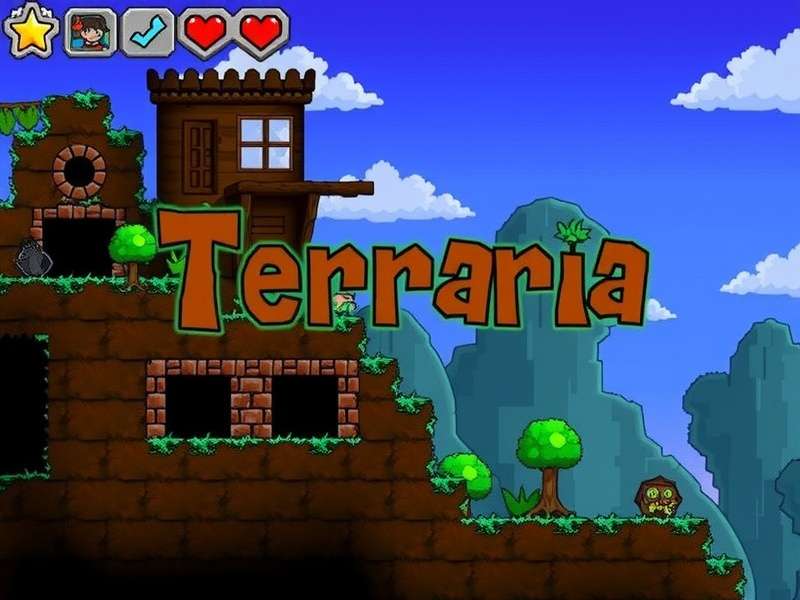
The extensive crafting system with various workstations for creating thousands of items
World Generation & Biomes
Each Terraria world contains multiple unique biomes including Forests, Deserts, Jungles, Snow, Corruption/Crimson, Hallow, Underground, and the dangerous Underworld. The recent 1.4.5 update introduced the Mystic Forest biome with exclusive enemies and loot.
Boss Progression Guide
Understanding boss order is crucial for successful progression. Here's the recommended order for tackling Terraria's challenging bosses:
| Boss | When to Fight | Key Strategies | Rewards |
|---|---|---|---|
| King Slime | Early Pre-Hardmode | Build a platform arena, use piercing weapons | Solidifier, Ninja Armor |
| Eye of Cthulhu | First major boss | Hermes Boots for mobility, ranged weapons | Demonite/Crimtane Ore |
| Eater of Worlds/Brain of Cthulhu | After Eye of Cthulhu | Area-of-effect weapons for segments | Shadow Scale/Tissue Samples |
| Skeletron | Before entering Dungeon | Focus on hands first, then head | Access to Dungeon |
| Wall of Flesh | Final Pre-Hardmode boss | Build a long platform in Underworld | Activates Hardmode |
| The Destroyer | First Mechanical Boss | Use piercing weapons, target probes | Hallowed Bars, Souls of Might |
| Plantera | After all Mechanical Bosses | Create large circular arena in Jungle | Temple Key, Access to Golem |
| Moon Lord | Final Boss | Master mobility, manage all three eyes | Luminite, Endgame Gear |
For a complete Terraria Bosses In Order To Fight guide, including detailed strategies for each boss, check our specialized boss progression resource. The Terraria Bosses Progression page offers additional insights into optimal gear at each stage.
The epic final battle against Moon Lord, Terraria's ultimate challenge
Class Builds & Specializations
Melee Class
The melee class focuses on close-quarters combat with swords, spears, and flails. Key accessories include the Warrior Emblem, Mechanical Glove, and Fire Gauntlet. Endgame weapons like the Terra Blade and Meowmere offer exceptional damage output.
Ranger Class
Rangers excel at dealing damage from a distance using bows, guns, and launchers. The Terraria Calamity Ranger Guide provides specialized strategies for players using the Calamity mod. Essential accessories include the Ranger Emblem, Magic Quiver, and Sniper Scope.
Mage Class
Mages utilize mana to cast powerful spells and summon magical projectiles. The Nebula armor set from the Lunar Events provides the highest magic damage bonus. Mana management is crucial, with accessories like the Mana Flower and Celestial Cuffs.
Summoner Class
Summoners command minions to fight for them while focusing on positioning and support. Check our comprehensive Terraria Summoner Guide for optimal minion combinations and accessory setups. The Stardust armor set offers the most powerful summons in the game.
Expert Tip: Hybrid Builds
Many experienced players create hybrid builds combining elements from multiple classes. A popular combination is Summoner/Mage, using minions for consistent damage while casting spells for burst damage. Experiment with different combinations to find your preferred playstyle!
Download & Installation Guide
Official Platforms
Terraria is available on multiple platforms. The Steam version receives updates first and supports the largest modding community through tModLoader.
| Platform | Price | Features | File Size |
|---|---|---|---|
| Steam (PC) | $9.99 | Full mod support, latest updates | ~500MB |
| GOG | $9.99 | DRM-free version | ~480MB |
| PlayStation/Xbox | $19.99 | Console edition with controller support | ~1.2GB |
| Nintendo Switch | $29.99 | Portable play, touch controls | ~800MB |
| Mobile (iOS/Android) | $4.99 | Touch-optimized, cross-save | ~400MB |
System Requirements
Minimum (PC): Windows XP/Vista/7/8/10, 2.0 GHz CPU, 2.5GB RAM, 256MB Video Card, 200MB Storage
Recommended (PC): Windows 7/8/10/11, Dual Core 3.0 GHz CPU, 4GB RAM, 1GB Video Card, 500MB Storage
Mobile Installation (APK)
For Android users, download the official Terraria APK from the Google Play Store. Ensure "Install from unknown sources" is enabled if downloading from third-party sites (not recommended for security). The mobile version includes exclusive content like the Ocram boss.
Update History & Version Changes
Version 1.4.5 (January 2026)
The latest major update introduced several significant features:
- New Biome: Mystic Forest with unique enemies and the Dryad's Blessing event
- Quality of Life: Quick stack to nearby chests across the entire world
- New Boss: The Archeologist - a mid-Hardmode boss with archaeology-themed loot
- Balance Changes: Summoner class buffs, melee weapon adjustments
- Visual Updates: Improved lighting engine, new particle effects
Version 1.4 "Journey's End" (May 2020)
This monumental update added over 1000 new items, the Journey mode with research and duplication, Golf mini-game, Master difficulty mode, and two new bosses: Empress of Light and Queen Slime.
Version 1.3 (June 2015)
Introduced the massive Expert mode, Martian Madness event, Lunar Events, and the final boss Moon Lord. This update effectively doubled the game's content and cemented Terraria as a genre-defining masterpiece.
Historical Context
Terraria has received over 50 major and minor updates since its 2011 release, with continuous support far exceeding typical game lifecycles. This commitment from Re-Logic has created one of gaming's most dedicated communities and ensured Terraria remains relevant over a decade after launch.
Community Features & Social
Search Terraria Wiki
Rate This Guide
How helpful did you find this Terraria guide?
Thank you for your rating!
Community Comments
Share This Guide
About the Author
Marcus Chen - Senior Game Analyst & Terraria Expert with over 2,500 hours across multiple platforms. Contributor to official Terraria community resources and creator of the comprehensive Terraria Wiki Class Guide. Specializes in endgame strategies and modded content analysis.
Contact: For professional inquiries or corrections, email [email protected]
Marcus_Chen: The boss progression table saved me hours of trial and error! The Moon Lord strategy finally helped me beat him after 12 attempts.
Posted: January 15, 2026TerrariaNoob92: As a new player, the class guide section was exactly what I needed. Starting as a Ranger seems to be the most beginner-friendly approach.
Posted: January 10, 2026